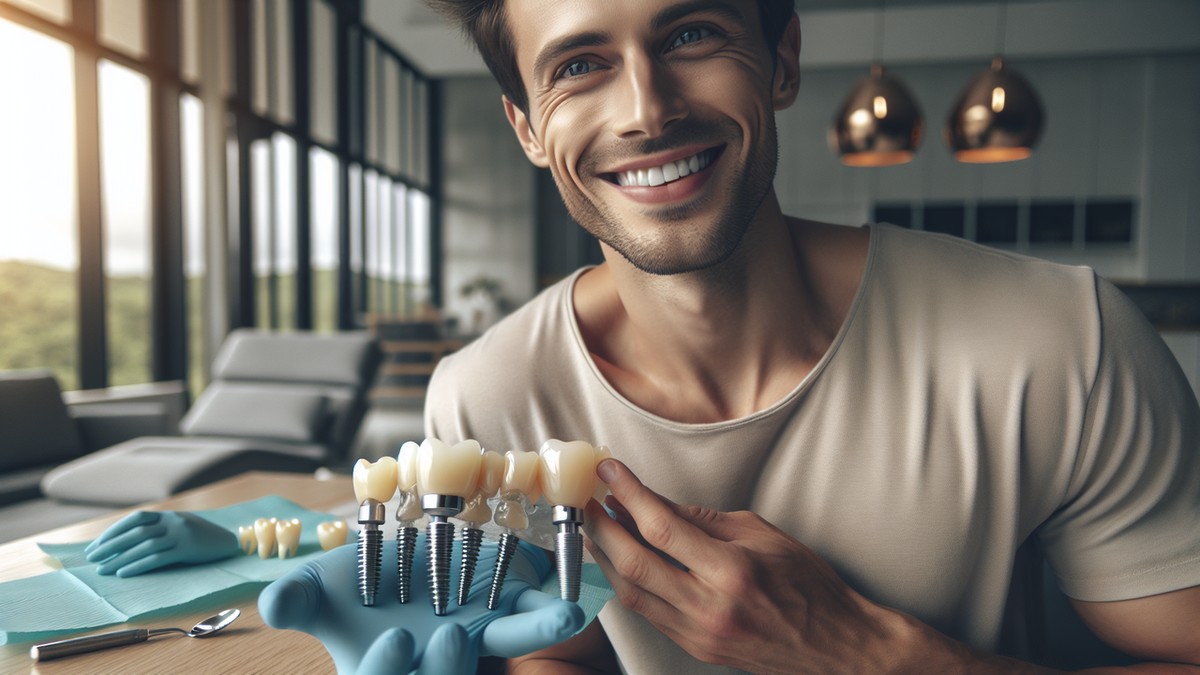
solarchat.org – Modern implants aesthetic planning has changed how dentists restore missing teeth, creating smiles that look natural and feel comfortable. This approach blends science, technology, and artistry to mimic real teeth as closely as possible. Understanding how this process works helps patients make informed choices for long-term oral health and appearance.
Instead of focusing only on function, today’s dentistry places equal value on facial harmony and subtle details. That means considering gum contours, tooth color, and even how light reflects on enamel. When done thoughtfully, the result is a restoration that blends seamlessly into your existing smile.
Whether you are missing one tooth or several, carefully planned implants can improve confidence and support jaw health. This guide explains the key steps and decisions behind successful cosmetic implant treatment. It also highlights what you can discuss with your dentist before committing to care.
Understanding Implants Aesthetic Treatment Planning
A successful result begins long before surgery, through careful implants aesthetic assessment and digital planning. Dentists first evaluate bone volume, gum health, and bite alignment to design a stable foundation. They also analyze facial proportions to decide where each tooth should ideally appear.
High quality photographs, 3D scans, and digital models help simulate your future smile. These tools allow the dental team to test different tooth shapes and positions without touching your mouth. With this visual roadmap, they can anticipate challenges and adjust the plan early.
Clear planning also improves communication between the dentist, surgeon, and dental technician. Each specialist understands the intended final appearance before placing any implants. This coordination reduces guesswork and increases the chance of a predictable, attractive outcome.
Smile Design Principles Behind Implants Aesthetic Results
Smile design looks at how teeth relate to lips, gums, and facial features. Proportions such as tooth width, length, and symmetry influence whether a result feels natural. Subtle curves along the front teeth should follow the contour of the lower lip when you smile.
Your age, gender, and personality can also guide tooth design. Some patients prefer softer edges and warmer shades, while others want brighter, straighter lines. Customization ensures the final appearance supports your identity rather than copying a generic look.
The gum line plays a major role in perceived beauty as well. Balanced gum levels around each tooth help maintain harmony. When gums are uneven or inflamed, they can distract from otherwise excellent dental work.
Digital Tools That Support Implants Aesthetic Precision
Digital dentistry allows clinicians to plan implant positions with remarkable accuracy. 3D imaging shows bone thickness and nerve locations, guiding safe and stable placement. Computer software then overlays the ideal tooth shape to align function with appearance.
Using this data, the team can fabricate surgical guides that direct implant insertion during the procedure. These guides help match the planned angulation and depth more closely than freehand methods. As a result, restorations emerge in the correct position and angle relative to adjacent teeth.
Digital mock-ups also allow patients to preview potential results before treatment. Seeing your planned smile on a screen or temporary model can clarify expectations. When you approve the design, everyone moves forward with greater confidence.
Material Choices That Influence Implants Aesthetic Outcomes
Material selection strongly affects how realistic your restoration appears. High quality ceramics can mimic natural translucency and subtle color variations of enamel. They also reflect light in a similar way, avoiding the flat or opaque look of older materials.
The underlying structure, often made from titanium or zirconia, must support both strength and beauty. Its shape should allow enough room for the ceramic layer to achieve lifelike contours. When framework design is too bulky, the final crown may look overbuilt or unnatural.
Color matching is another critical step handled by skilled technicians. They consider neighboring teeth, skin tone, and personal preferences to blend shades. Fine surface details, such as texture and tiny irregularities, complete the natural illusion.
Implants Aesthetic Factors After Surgery
Once implants are placed, attention turns to how soft tissues heal and adapt. Healthy gums that wrap snugly around the implant crown create a natural emergence profile. This transition zone from gum to tooth greatly influences the final visual effect.
Postoperative care and hygiene guidance support stable, pink gums over time. Inflammation or recession can reveal metal components or dark shadows. Preventing these issues protects both your health and appearance.
Regular checkups allow the dentist to monitor bite forces and crown integrity. Small adjustments can improve comfort and reduce stress on the implants. Long-term maintenance is essential to preserve the work invested in aesthetics.
Soft Tissue Management in Implants Aesthetic Dentistry
Soft tissue management focuses on shaping gums to frame the restoration attractively. Sometimes small grafts or contouring procedures create fuller, more even margins. These techniques help mimic how natural teeth emerge from the gums.
During healing, temporary crowns can guide gum tissue into the desired form. The dentist may adjust these provisionals several times to refine the contour. Once the shape is stable, the final crown is made to follow that outline.
Attention to papillae, the small triangles of gum between teeth, is particularly important. When preserved or restored, they prevent dark spaces and improve overall harmony. Careful planning can reduce the risk of black triangles between restorations.
Bite Alignment and Functional Implants Aesthetic Results
Attractive restorations must also function correctly under everyday chewing forces. A balanced bite spreads pressure across all teeth and implants evenly. This balance protects crowns from chipping and prevents discomfort in the jaw joints.
The dentist evaluates how upper and lower teeth meet in various movements. Adjustments to crown height or shape can refine this contact pattern. Even minor refinements can improve comfort when speaking or eating.
When function and appearance support each other, results tend to last longer. Patients often report that their teeth not only look good but feel natural. This integration is a central goal of modern implants aesthetic practice.
Patient Expectations and Communication in Implants Aesthetic Care
Clear communication between patient and clinician is vital from the first consultation. You should share preferences regarding shade, shape, and overall style of your new teeth. Photos of smiles you admire can help translate ideas into clinical terms.
The dental team should also explain realistic possibilities and limitations. Bone quality, gum condition, and budget can all influence the final plan. Understanding these factors early helps avoid disappointment later.
Progress updates during each stage keep you involved in decisions. Reviewing provisional crowns, digital previews, and photos encourages collaborative fine-tuning. This partnership increases satisfaction with the completed smile.
Long-Term Care of Implants Aesthetic Restorations
After treatment, consistent home care protects both aesthetics and implant health. Brushing twice daily with a soft brush and low-abrasive toothpaste is essential. Specialized floss or interdental brushes help clean around implant crowns and under bridges.
Professional cleanings remain important, but techniques may differ slightly from natural teeth. Hygienists often use instruments designed to avoid scratching implant surfaces. This careful approach helps preserve smooth finishes and reduce plaque buildup.
Monitoring habits such as clenching or grinding can also safeguard your restorations. Nightguards may be recommended if you show signs of excessive wear. Protecting your investment supports the longevity of your new smile.
Lifestyle Habits That Affect Implants Aesthetic Longevity
Certain lifestyle choices can stain or damage restorations over time. Dark drinks, tobacco, and poor hygiene increase the risk of discoloration. While ceramics resist stain better than natural enamel, they are not immune.
Limiting very hard foods and avoiding using teeth as tools reduces fracture risk. Even durable materials can chip under extreme force or sudden impact. Thoughtful habits contribute significantly to long-term stability.
Regular reviews with your dentist allow early detection of minor issues. Small polishings, repairs, or bite adjustments can prevent larger problems later. Consistency is the key to maintaining both function and beauty.
Choosing a Clinician Skilled in Implants Aesthetic Techniques
Selecting the right dental professional can strongly influence your final result. Look for clinicians who routinely perform complex implant cases and show documented outcomes. Before-and-after photos reveal their artistic style and attention to detail.
Ask about training in cosmetic dentistry and implant-specific education. Membership in professional organizations may indicate ongoing learning and standards. Collaboration with an experienced dental laboratory is also essential.
During consultations, notice how carefully the clinician listens to your goals. A patient-centered approach respects your concerns and explains options clearly. This relationship forms the foundation for successful implants aesthetic treatment.
Balancing Cost, Quality, and Implants Aesthetic Benefits
Implant-based restorations represent a significant investment, but they also offer long-term value. When well planned and maintained, they often outlast many alternative treatments. Their stability can prevent bone loss and reduce future dental complications.
Costs vary depending on the number of implants, materials, and additional procedures. Transparent estimates and staged treatment plans can make care more manageable. Some practices also provide financing options to spread payments over time.
Weighing the financial commitment against improved function and appearance is personal. Many patients find that enhanced confidence and comfort justify the expense. Informed decisions, guided by expert advice, lead to the most satisfying outcomes.