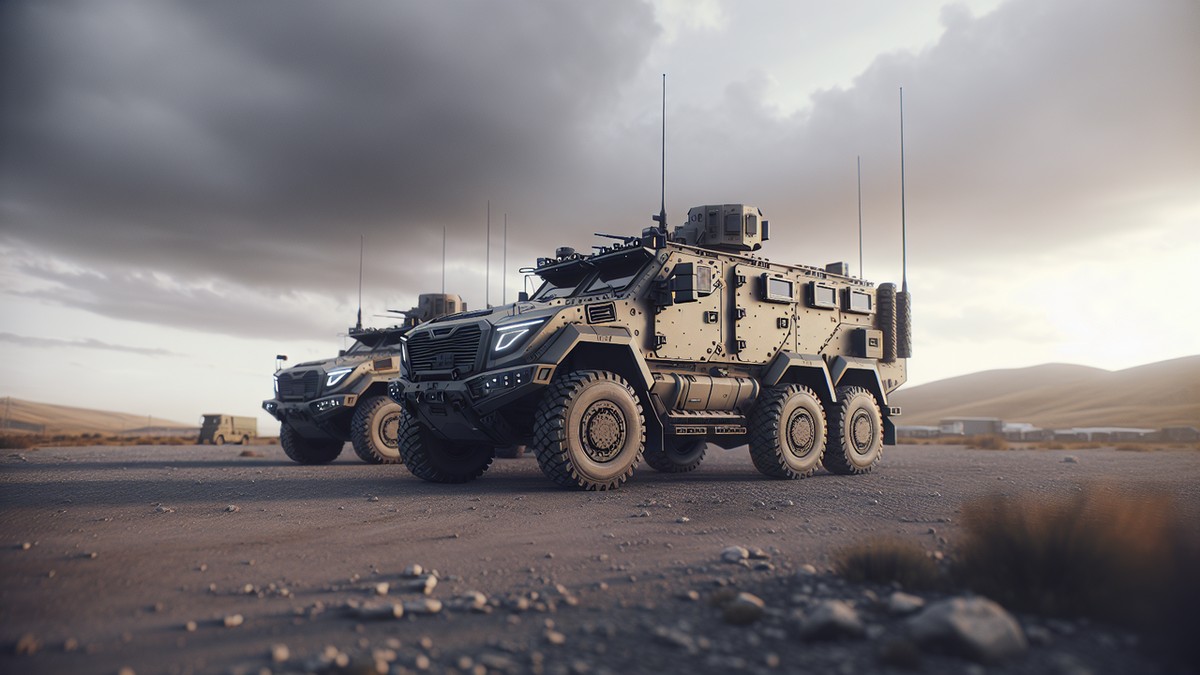
solarchat.org – Modern armoured vehicles have evolved far beyond simple protective shells on wheels. Today, they combine advanced materials, smart technology, and strategic design to keep people and assets safe in unpredictable environments. From corporate convoys to military deployments, these vehicles play a central role in security planning across the globe.
The Evolution of Armoured Vehicles in Urban Environments
The first generations of armoured vehicles were heavy, loud, and easy to spot. They offered protection, but they sacrificed speed and subtlety, making them less suited to crowded city streets. Over time, designers focused on balancing protection with agility and a lower public profile.
Contemporary models now blend into everyday traffic while quietly hiding reinforced structures. Engineers use advanced composites, ballistic steel, and layered glass to maintain strong protection without excessive weight. This shift allows protected convoys to move through cities without drawing unnecessary attention.
Urban-focused armoured vehicles also place emphasis on maneuverability and tight turning circles. Designers consider narrow streets, busy intersections, and underground parking access. As a result, today’s platforms can move quickly during emergencies, offering a higher chance of safe evacuation.
Key Protective Features in Modern Designs
New generations of armoured vehicles rely on multi-layer armor systems rather than simple thick plating. These systems are designed to slow, deflect, and absorb impact from ballistic threats. The approach reduces weight while maintaining strict protection standards.
High-performance ballistic glass is another core feature. It combines multiple layers, including polycarbonate, to resist shattering under impact. Despite its strength, it offers relatively clear visibility, which is essential for safe, confident driving in complex traffic conditions.
Many platforms also include run-flat tires, protected fuel tanks, and reinforced door frames. Together, these elements help ensure a vehicle can keep moving after an initial attack. The priority is to create a safe escape window rather than to invite prolonged confrontation.
Discreet Styling and Civilian Appearance
Current armoured vehicles often resemble standard luxury sedans, SUVs, or vans from the outside. This visual neutrality reduces the chance of targeted attacks triggered by obvious security cues. The focus is on protection through both strength and subtlety.
Manufacturers preserve the original exterior lines and factory paint finishes wherever possible. Reinforcements are hidden within door panels, pillars, and flooring rather than added as external plates. The result is a vehicle that appears familiar but performs like a protected capsule.
Interior layouts remain comfortable and functional, with original seating configurations retained or upgraded. Clients can choose discreet security enhancements such as concealed communication systems. This balance allows daily use without constantly reminding passengers they are inside a specialized vehicle.
Adaptation to Local Regulations and Roads
Professional builders of armoured vehicles must account for regional road conditions and legal requirements. Weight limits, emission rules, and safety regulations vary widely between countries. Engineers adapt their designs so that vehicles remain road legal while still meeting desired protection levels.
Suspension systems are often upgraded to handle extra mass without compromising stability. Brakes receive similar attention to maintain short stopping distances even when fully loaded. These technical changes are usually invisible but critical to everyday safety.
In regions with rougher roads or frequent unpaved surfaces, ground clearance and underbody protection become priorities. Builders reinforce the chassis and underside to resist damage from debris or blasts. This careful tuning ensures consistent performance wherever the vehicle must operate.
How Armoured Vehicles Support Different Security Roles
Today’s armoured vehicles serve multiple sectors, from corporate security to humanitarian work. Each mission profile has its own performance and configuration demands. Builders respond with specialized layouts, equipment, and protection standards tailored to the user’s risks.
Executive transport vehicles prioritize discreet protection and passenger comfort. They often feature luxury interiors, advanced climate controls, and quiet cabins. The goal is to provide a normal travel experience while quietly reducing exposure to threats.
In contrast, vehicles designed for conflict zones focus more on survivability and situational awareness. They may include roof hatches, weapon mounts, and advanced communication systems. Their role is to protect crews who operate in areas where attacks are more likely.
Corporate and VIP Protection Fleets
Many companies rely on armoured vehicles to protect senior executives and visiting clients. These fleets often consist of sedans and SUVs that match local vehicle preferences. When combined with trained drivers, they reduce kidnapping and robbery risks in unstable regions.
Inside, these vehicles offer secure compartments, partition options, and hidden panic buttons. Some integrate secure communication links to control rooms or security teams. This redundancy ensures support is always one call away during critical moments.
Logistics teams plan routes that account for traffic patterns and potential trouble spots. Dependent on risk levels, they may rotate vehicles and change schedules to reduce predictability. The vehicles themselves form one layer in a broader security strategy.
Military and Law Enforcement Applications
Specialized armoured vehicles for armed forces and police are designed for higher-intensity scenarios. They often feature modular armor kits that can be adjusted as threats evolve. This flexibility allows units to adapt to new weapon types or mission requirements.
Many models include enhanced underbody protection to resist mines or improvised explosives. V-shaped hulls and energy-dissipating floor structures help redirect blast forces. Crew seating and restraints are carefully positioned to maximize survivability.
Onboard technology supports operations with surveillance cameras, night vision, and encrypted communication. These systems give teams better awareness of their surroundings during patrols or raids. The vehicles become mobile command posts as well as protective platforms.
Humanitarian and Rescue Operations
Some armoured vehicles are dedicated to supporting aid workers in unstable regions. They transport medical teams, supplies, and field coordinators through areas prone to violence. Without these protected platforms, critical services might never reach high-risk communities.
Interior layouts are sometimes adjusted to carry stretchers or emergency equipment. Climate control and air filtration systems help keep medical supplies stable in harsh conditions. These details matter when lives depend on fast, reliable delivery of aid.
Rescue operations also benefit from vehicles that can withstand debris, small-arms fire, or unrest. This resilience allows teams to evacuate civilians during crises. In challenging environments, the vehicle’s survivability directly affects the success of the mission.
Technology and Sustainability in Next-Generation Designs
Innovation is reshaping how armoured vehicles are built and operated. Manufacturers are integrating digital systems, lighter materials, and more efficient powertrains. The aim is to raise protection while reducing environmental impact and operating costs.
Digital connectivity is becoming a standard expectation for professional fleets. Real-time tracking, diagnostics, and driver assistance systems improve security and reliability. These tools help operators manage complex missions with greater precision.
At the same time, sustainability is moving from an optional goal to a core design principle. New materials and technologies are helping reduce fuel consumption and emissions. This shift aligns protective transport with broader corporate and governmental climate commitments.
Smart Systems and Driver Assistance
Modern armoured vehicles frequently incorporate advanced driver assistance features. Blind-spot monitoring, collision warnings, and 360-degree cameras help compensate for reduced visibility. This support is especially valuable in crowded urban environments.
Integrated GPS and telematics platforms allow control centers to monitor position and status. They can track routes, speed, and unexpected stops, improving response times if trouble arises. These systems also assist with maintenance scheduling and fleet optimization.
Some vehicles now support secure over-the-air software updates. This capability allows performance enhancements and security patches without workshop visits. Digital flexibility will continue to shape how owners manage their fleets over time.
Lighter Materials and Fuel Efficiency
To offset the weight of protection, builders of armoured vehicles use advanced lightweight materials. High-strength steels, composites, and ceramics help maintain ballistic resistance with less mass. This optimization benefits both performance and efficiency.
Lower weight improves acceleration, handling, and braking, which are crucial in evasive situations. It also reduces strain on engines and transmissions, extending service life. Over large fleets, these factors contribute to significant cost savings.
Improved efficiency is important not only for budgets but also for sustainability goals. Reduced fuel consumption lowers emissions and minimizes environmental impact. As regulations tighten, these gains become even more valuable.
Electric and Hybrid Armoured Platforms
The industry is beginning to experiment with electric and hybrid armoured vehicles. These platforms offer quieter operation and lower local emissions, which can be advantageous in cities. Silence also has tactical benefits in some security applications.
Battery placement and protection are critical engineering challenges. Designers must shield energy storage components from impact and ballistic threats. At the same time, they work to maintain acceptable driving range under heavy loads.
As charging infrastructure expands, electric and hybrid models are likely to grow in number. Early adopters include organizations with strong sustainability commitments and predictable routes. Their experiences will help refine future generations of armored mobility.